
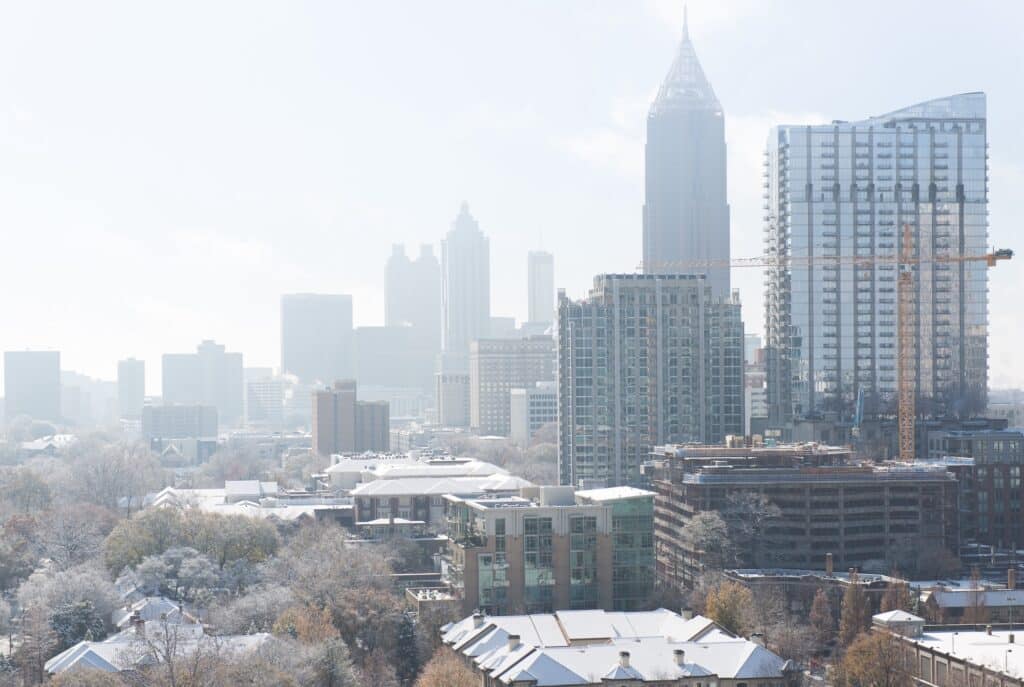
Atlanta may not experience the severe, harsh winters found in other parts of the country, but even a few freezing nights can cause significant, costly problems for property owners who are not prepared. Simply being proactive and learning how to winterize your rental property goes a long way toward protecting your investment, avoiding expensive repairs, and keeping your property running smoothly through the colder months.
At EpiCity, we treat every property as if it were our own. Based on our decades of experience managing real estate assets across the Atlanta area, we know that preventing an issue is always better than solving a disaster. Here is our comprehensive guide on how to winterize your rental property and protect your valuable asset.
Step One: Inspect and Secure the Property Exterior
The first line of defense against winter weather starts outside the building. Taking time to secure the structure prevents damage from water and ice, which are the two greatest threats a cold snap presents. Addressing small exterior issues now keeps them from turning into major repairs later, helping you maintain the long-term integrity of your investment.
- Conduct a Thorough Roof and Gutter Check: Inspect the roof for loose shingles or any noticeable damage. The most critical step is clearing all gutters and downspouts. Blocked gutters can lead to ice dams and cause water to back up and flow into the building, leading to interior damage.
- Seal Cracks in Pavement: Walkways, sidewalks, and driveways can develop small cracks. Water seeps into these cracks, freezes, expands, and turns a small fissure into a large problem. Sealing these now prevents freeze-thaw cycles from causing major, expensive deterioration.
- Check Vents and Chimneys: Verify that all vents are covered and properly sealed to prevent pests from entering the warmth of the building during cold weather. If the property has a chimney, have it professionally inspected and cleaned before use.
Step Two: Protect Your Plumbing From Freezing
When pipes burst, it becomes one of the most common and destructive winter maintenance problems. The resulting damage from a single burst pipe can lead to tens of thousands of dollars in water damage, structural remediation, and business interruption. Because freezing temperatures can sneak up quickly in Georgia, preparing your water systems ahead of time is should be an automatic step toward minimizing risk.
- Insulate Exposed Pipes: Focus on vulnerable areas like basements, exterior walls, attics, and utility rooms. Adding simple foam pipe insulation to any exposed water lines is a small investment that offers a dependable shield against freezing temperatures.
- Winterize Irrigation and Hoses: Drain and turn off the exterior irrigation system completely before the first hard freeze. Remove all hoses from outdoor spigots. Leaving a hose attached, even if the water is off, can trap water in the line and cause the pipe inside the wall to burst.
- Mind the Outdoor Faucets: If the outdoor spigots are not frost-proof, be sure to turn off the water supply leading to them (usually via a shutoff valve in the basement or utility room) and open the spigot to drain any remaining water.
Step Three: Service and Prepare Heating Systems
A well-maintained heating system is crucial not only for tenant comfort and legal compliance but also for preventing interior pipes from freezing. By ensuring your HVAC units are operating at peak efficiency, you protect the health and safety of your tenants while simultaneously keeping utility costs under control. A service check now allows you to catch and correct minor operational issues before they escalate into an emergency repair during a cold snap.
- Schedule HVAC Maintenance: Schedule a professional HVAC inspection sooner rather than later. A technician can clean the system, check for carbon monoxide leaks, and identify small issues before they become emergency breakdowns on the coldest night of the year.
- Replace Filters and Check Thermostats: Replace all air filters to ensure the system runs efficiently. Check that all thermostats are working properly, especially any programmable or smart thermostats, to ensure accurate temperature control.
- Set Minimum Temperatures in Vacant Units: If you have vacant property spaces, never turn the heat off completely. Set the temperature to at least 55°F (13°C) to prevent the interior walls and the pipes within them from freezing. This is a crucial defense against unexpected loss.
The Power of Partnering with Local Experts
Taking these simple steps now can help you avoid costly maintenance repairs and the resulting tenant displacement down the line. Protecting and enhancing the value of your asset requires consistent, thoughtful, and proactive management.
Keeping a property well-maintained and profitable is a full-time job, but it doesn’t have to be yours alone. EpiCity was founded in 1935 on the principle of treating your property as if it were our own. We offer the comprehensive resources of a national firm combined with the one-on-one service and local expertise of a boutique shop.
Partner with an experienced, forward-thinking property management team like EpiCity. For nearly a century, we’ve helped Atlanta property owners protect and enhance their investments.